Featured
Table of Contents
Life changes: Major life modifications, such as separation, remarriage, or the birth of a new child, can be challenging for families to browse. Family members therapy can aid manage these changes successfully. Below are the five stages of household treatment: 1. Engagement: The initial stage includes building connection and developing a working connection between the family and the therapist.
Preliminary analyses are performed during this stage to gather information regarding the family members's background, structure, and details concerns. 2. Analysis: In this stage, the specialist collects extra thorough information regarding the family members's characteristics, partnerships, and patterns of interaction. The objective is to identify the root creates of the household's troubles and gain insight right into how individual member of the family engage with each various other.
5. Discontinuation and follow-up: As progression is made and healing goals are met, the household therapy process gets in the termination stage. The therapist collaborates with the family to consolidate the gains made during treatment and establish a plan for the future. This might entail reviewing ways to maintain favorable changes, protect against relapse into old patterns, and give resources for ongoing support if needed.
Understanding Depression on Families
It is very important to note that the phases of family therapy are not always direct, and the therapist may need to review or adjust specific phases based upon the family members's development and evolving demands throughout the restorative process. In addition, the success of household treatment often depends upon the willingness of member of the family to proactively take part and involve in the therapeutic journey.
It is a very significant technique that concentrates on understanding and resolving the household's general framework and organization. The core ideas of structural family therapy include: Family members framework: This refers to the invisible patterns, policies, and relationships that establish just how relative connect with one an additional. The therapist determines dysfunctional patterns and seeks to create much healthier, a lot more practical structures.
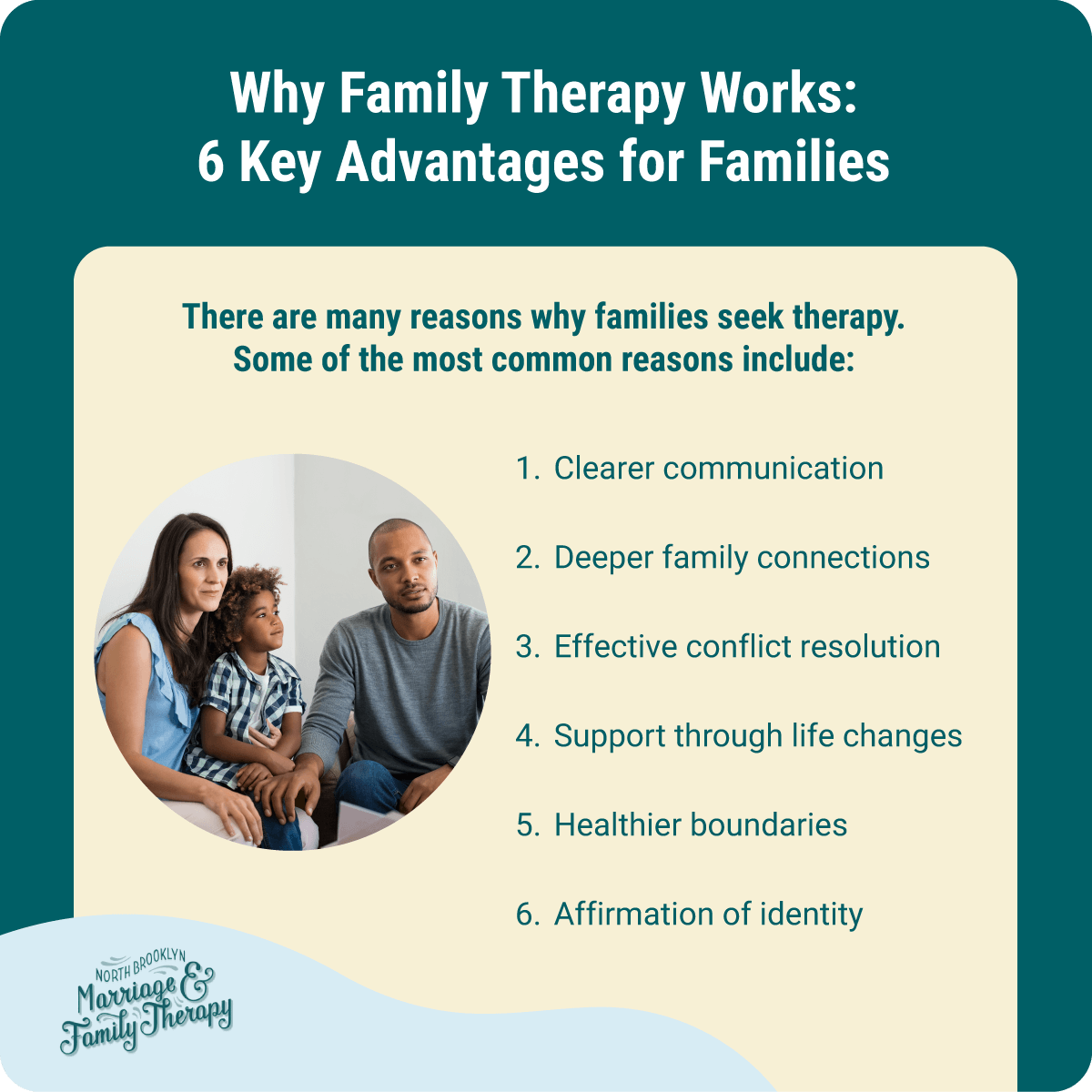
Hierarchy: Each family members has a pecking order that determines power, authority, and decision-making. Coalitions: In some cases, household participants create unions or partnerships against others within the family.
Setting Healthy Outcomes for Treatment
Restructuring: The objective of therapy is to facilitate positive changes in the family's structure and communications. This might entail altering duties, borders, or interaction patterns. It is essential to keep in mind that the area of treatment is constantly evolving, and different therapeutic methods obtain prestige in time. The very best treatment for households is responsive to a family's requirements.
It happens in a natural surroundings where skilled therapists usually incorporate a wide array of counseling techniques. There's no single intervention that can be applied in the very same way for each household, resulting in the exact same end result every time. Household therapy is concerning complicated connections, not solutions. A family members counselor usually pulls from a variety of therapeutic approaches to individualize a treatment strategy.
Developmentally-Appropriate Therapy Methods
This action is essential for creating a safe and trusting setting where member of the family can share their concerns freely. Evaluation: During this action, the specialist gathers details to recognize the family members's structure, borders, power structures, and interaction patterns. The assessment stage intends to determine problematic patterns and behaviors that add to the family members's concerns.
Restructuring: Once the therapist has examined the family's characteristics and recognized bothersome patterns, the restructuring phase starts. The objective is to aid family members adapt to new patterns that encourage much better interaction, analytic, and conflict resolution.
It involves enhancing positive actions, urging continued growth, and supplying support as required. The specialist additionally helps the family construct resilience and cope with difficulties that might occur as they adjust to the brand-new patterns of communication. In family medicine, the concept of the domesticity cycle describes the numerous phases a family members typically undergoes with time.
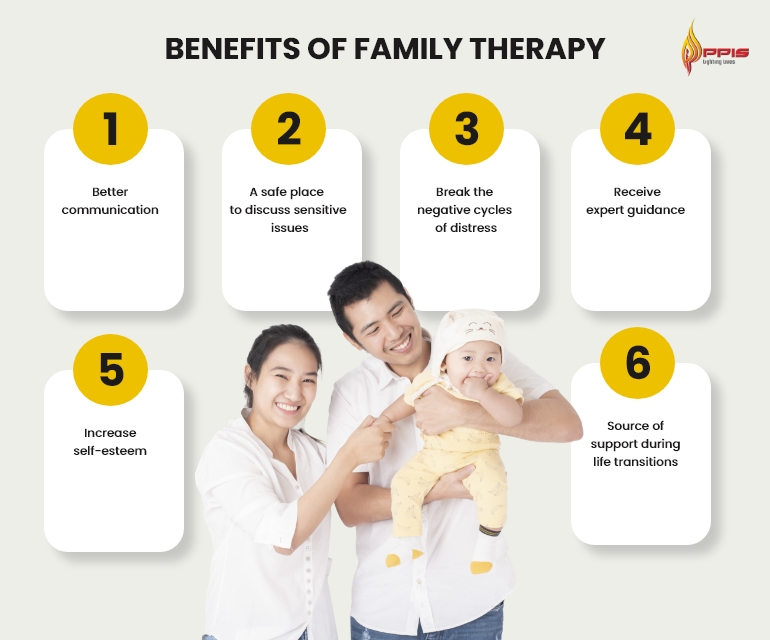
They may pursue greater education and learning, start their occupations, and discover their identifications outside the family device. Coupling/Marriage: This stage involves the development of a committed partnership, such as marriage or long-lasting cohabitation.
Workplace Resources and Private Therapy
Household with Adolescents: As kids grow into teenagers, the family members faces new difficulties associated with parenting young adults. Parents must adjust to the altering requirements of their children and support them with the procedure of creating autonomy and self-reliance. Launching/Empty Nest: This phase occurs when kids leave home for university, job, or other searches, bring about an "vacant nest." Moms and dads may experience a mix of emotions throughout this shift, as they get used to their new functions as vacant nesters and discover new methods to connect as a couple.
Adult kids might take on caregiving roles for their elderly moms and dads, and the family may need to resolve concerns associated to aging and end-of-life preparation. We all desire happy families.
Occasionally it takes difficult job, thoughtful communication, and an ability to see problems from various viewpoints. These aren't skills that every person simply develops normally. In some cases you have to make the deliberate choice to do betterand that's where household treatment at Thriveworks can make a huge distinction.
Maximizing Your Mental Health Coverage
By highlighting the crucial duty of household characteristics in emotional wellness, therapists work to cultivate an encouraging environment conducive to healing. One of the significant outcomes of family members treatment is improved communication.

Latest Posts
The Enduring Value of Therapeutic Support from Mindfulness Therapy
Workplace Support and Rights
Why Camouflaging Contributes in Severe Exhaustion