Featured
Table of Contents
- – The Hidden Weight of Inherited Pain
- – Why Typical Talk Therapy In Some Cases Falls S...
- – Somatic Therapy: Reconnecting Mind and Body
- – EMDR: Reprocessing Trauma at the Source
- – The Perfectionism-Burnout Cycle
- – Connection Conflicts as Trauma Reenactment
- – Finding Culturally-Informed Support
- – Beginning Your Recovery Journey
Intergenerational trauma does not introduce itself with excitement. It appears in the perfectionism that maintains you burning the midnight oil into the evening, the exhaustion that really feels difficult to tremble, and the connection conflicts that mirror patterns you swore you 'd never ever duplicate. For numerous Asian-American families, these patterns run deep-- gave not via words, however via overlooked expectations, suppressed emotions, and survival approaches that as soon as safeguarded our forefathers today constrain our lives.
The Hidden Weight of Inherited Pain
Intergenerational injury refers to the emotional and emotional injuries transferred from one generation to the following. When your grandparents survived battle, displacement, or persecution, their bodies learned to exist in a constant state of hypervigilance. When your parents immigrated and faced discrimination, their nerves adjusted to perpetual tension. These adaptations don't simply go away-- they come to be inscribed in household characteristics, parenting designs, and even our biological stress responses.
For Asian-American areas particularly, this trauma commonly materializes via the design minority misconception, psychological suppression, and a frustrating pressure to attain. You might discover yourself incapable to commemorate successes, frequently moving the goalposts, or feeling that rest equates to idleness. These aren't individual failings-- they're survival mechanisms that your nerve system acquired.
Why Typical Talk Therapy In Some Cases Falls Short
Numerous people spend years in conventional talk treatment reviewing their childhood years, examining their patterns, and obtaining intellectual insights without experiencing meaningful adjustment. This takes place because intergenerational injury isn't saved primarily in our ideas-- it resides in our bodies. Your muscles remember the tension of never ever being fairly adequate. Your gastrointestinal system lugs the tension of overlooked family expectations. Your heart rate spikes when you anticipate disappointing someone important.
Cognitive understanding alone can not release what's held in your nerves. You may understand intellectually that you deserve rest, that your worth isn't linked to efficiency, or that your parents' criticism originated from their own discomfort-- yet your body still reacts with anxiety, shame, or exhaustion.
Somatic Therapy: Reconnecting Mind and Body
Somatic therapy approaches injury through the body instead than bypassing it. This restorative technique recognizes that your physical sensations, activities, and nervous system reactions hold crucial info regarding unsettled trauma. Instead of just talking about what took place, somatic treatment aids you observe what's occurring inside your body today.
A somatic specialist might lead you to see where you hold stress when discussing household assumptions. They could assist you discover the physical experience of stress and anxiety that develops before vital presentations. Via body-based strategies like breathwork, mild motion, or grounding exercises, you start to regulate your nervous system in real-time instead than simply recognizing why it's dysregulated.
For Asian-American clients, somatic treatment offers certain advantages due to the fact that it does not require you to verbally process experiences that your culture may have shown you to keep personal. You can recover without having to verbalize every detail of your family members's discomfort or migration story. The body talks its own language, and somatic work honors that interaction.
EMDR: Reprocessing Trauma at the Source
Eye Movement Desensitization and Reprocessing (EMDR) represents one more effective technique to recovery intergenerational trauma. This evidence-based therapy makes use of bilateral stimulation-- commonly directed eye motions-- to aid your mind recycle distressing memories and acquired stress and anxiety responses. Unlike traditional therapy that can take years to generate outcomes, EMDR commonly develops significant changes in fairly few sessions.

EMDR works by accessing the means trauma gets "" stuck"" in your nerves. When you experienced or taken in intergenerational discomfort, your mind's typical processing systems were bewildered. These unprocessed experiences proceed to cause present-day responses that feel out of proportion to current scenarios. Via EMDR, you can finally finish that handling, enabling your nerve system to launch what it's been holding.
Research shows EMDR's effectiveness expands beyond individual trauma to inherited patterns. When you process your own experiences of criticism, stress, or psychological disregard, you concurrently begin to disentangle the generational threads that developed those patterns. Several customers report that after EMDR, they can finally set borders with member of the family without debilitating guilt, or they discover their perfectionism softening without conscious initiative.
The Perfectionism-Burnout Cycle
Perfectionism and burnout form a savage cycle especially common among those carrying intergenerational trauma. The perfectionism frequently originates from a subconscious belief that flawlessness could ultimately gain you the unconditional acceptance that really felt lacking in your family members of beginning. You work harder, achieve much more, and increase bench again-- really hoping that the following accomplishment will silent the internal voice stating you're not nearly enough.
But perfectionism is unsustainable by layout. It leads inevitably to fatigue: that state of emotional fatigue, resentment, and reduced performance that no quantity of holiday time appears to treat. The fatigue after that causes shame about not having the ability to "" manage"" every little thing, which fuels much more perfectionism in an effort to show your well worth. Round and round it goes.
Breaking this cycle requires resolving the trauma below-- the internalized messages concerning conditional love, the inherited hypervigilance, and the nerves patterns that relate rest with danger. Both somatic therapy and EMDR succeed at interrupting these deep patterns, allowing you to lastly experience your intrinsic merit without needing to make it.
Connection Conflicts as Trauma Reenactment
Intergenerational injury does not stay consisted of within your private experience-- it unavoidably turns up in your relationships. You might find yourself attracted to partners that are mentally inaccessible (like a moms and dad who couldn't show love), or you might come to be the pursuer, trying frantically to obtain others to meet needs that were never ever fulfilled in childhood.
These patterns aren't aware options. Your nerve system is attempting to grasp old injuries by recreating similar dynamics, wishing for a different result. This generally suggests you finish up experiencing acquainted discomfort in your adult partnerships: feeling undetected, battling concerning who's best instead than seeking understanding, or turning between distressed accessory and psychological withdrawal.
Treatment that attends to intergenerational injury assists you recognize these reenactments as they're happening. It provides you devices to develop various feedbacks. When you heal the initial injuries, you stop subconsciously seeking companions or producing dynamics that replay your family members background. Your connections can end up being rooms of genuine link as opposed to injury rep.
Finding Culturally-Informed Support
Oakland, CAFor Asian-American people, functioning with therapists that understand cultural context makes a significant distinction. A culturally-informed therapist identifies that your partnership with your parents isn't simply "" enmeshed""-- it mirrors social values around filial holiness and household communication. They recognize that your unwillingness to reveal feelings doesn't suggest resistance to therapy, yet reflects cultural norms around psychological restraint and conserving face.
Therapists specializing in Asian-American experiences can aid you navigate the distinct tension of honoring your heritage while also healing from aspects of that heritage that create pain. They understand the stress of being the "" effective"" youngster who raises the entire household, the complexity of intergenerational sacrifice, and the specific manner ins which bigotry and discrimination substance family trauma.
Beginning Your Recovery Journey
Recovering intergenerational trauma isn't about condemning your parents or rejecting your cultural history. It's concerning ultimately taking down problems that were never yours to lug to begin with. It's concerning permitting your nerve system to experience safety and security, so perfectionism can soften and fatigue can heal. It's regarding developing relationships based on authentic link instead than trauma patterns.
Couples TherapyWhether through somatic therapy, EMDR, or an integrated strategy, healing is possible. The patterns that have run via your family for generations can quit with you-- not via determination or more success, yet via compassionate, body-based processing of what's been held for also long. Your youngsters, if you have them, will not acquire the hypervigilance you lug. Your connections can become sources of authentic sustenance. And you can finally experience remainder without sense of guilt.
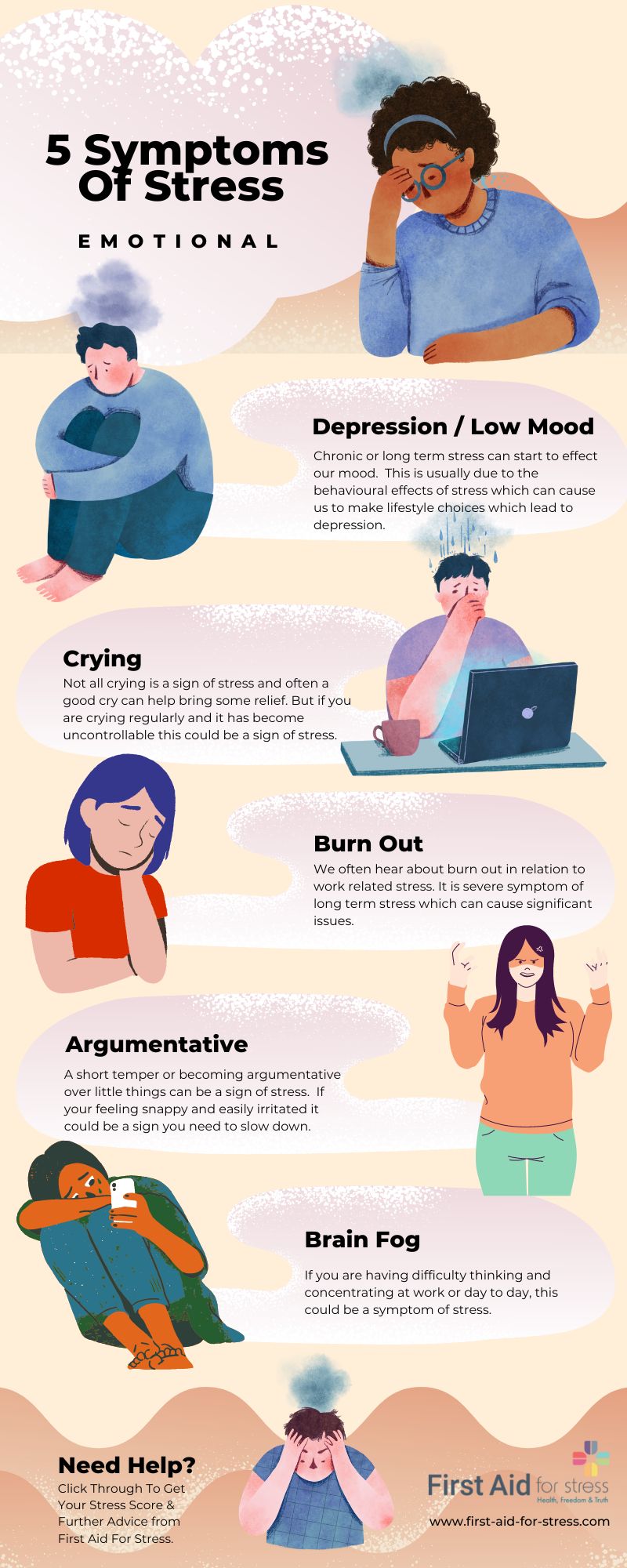
The job isn't easy, and it isn't quick. However it is feasible, and it is extensive. Your body has been waiting for the chance to finally release what it's held. All it requires is the right support to begin.

Table of Contents
- – The Hidden Weight of Inherited Pain
- – Why Typical Talk Therapy In Some Cases Falls S...
- – Somatic Therapy: Reconnecting Mind and Body
- – EMDR: Reprocessing Trauma at the Source
- – The Perfectionism-Burnout Cycle
- – Connection Conflicts as Trauma Reenactment
- – Finding Culturally-Informed Support
- – Beginning Your Recovery Journey
Latest Posts
Strengthening Therapeutic Tools to Address Lasting Anxiety Management Through Mindfulness-Based Therapy
Psychiatric Medication Combined With Psychotherapy: Establishing A Balanced Care Plan for Persistent Anxiety through Professional Care
Systemic Approaches to Therapy
More
Latest Posts
Strengthening Therapeutic Tools to Address Lasting Anxiety Management Through Mindfulness-Based Therapy
Systemic Approaches to Therapy